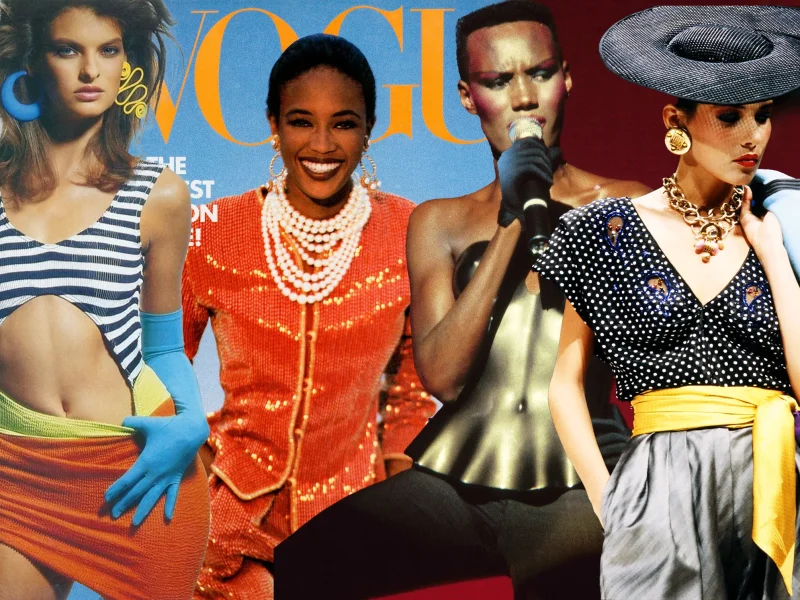

Fashion is more than following seasonal trends. It is about creating a wardrobe that reflects personality while remaining practical and versatile. Modern style relies on thoughtful combinations of textures, balanced layering, and flattering proportions rather than simply purchasing the latest pieces. When these elements work together, even the simplest outfit can feel polished, contemporary, and timeless.
Understanding how fabrics interact, how layers add depth, and how proportions influence appearance helps anyone create outfits that look intentional. Rather than filling a closet with countless garments, focusing on these styling principles allows every item to work harder and offer greater versatility.
The Role of Texture in Everyday Style
Texture gives clothing visual interest without relying on loud colors or bold prints. A soft knit sweater paired with structured denim or smooth leather accessories creates contrast that naturally draws attention. Mixing different fabric finishes helps outfits appear richer and more sophisticated.
Cotton, linen, suede, silk, tweed, wool, and satin each contribute their own character. Combining these materials thoughtfully prevents an outfit from looking flat or repetitive. A monochromatic outfit, for example, becomes significantly more appealing when different textures create subtle variation throughout the look.
Fashion enthusiasts often explore styling ideas through various online resources while managing other daily responsibilities, whether checking manav sampada ehrms.upsdc.gov.in login for workplace updates or organizing personal schedules before planning a week’s wardrobe.
Building a Versatile Wardrobe
A functional wardrobe starts with quality basics that easily combine with statement pieces. Neutral colors provide flexibility, while carefully selected accent colors introduce personality without limiting outfit options.
Essential items may include tailored trousers, classic denim, versatile shirts, lightweight knitwear, structured blazers, and comfortable footwear. These foundational pieces allow endless outfit combinations suitable for professional settings, casual weekends, or social occasions.
Just as people organize important personal documents like an rtps bihar certificate download, maintaining an organized wardrobe makes daily dressing faster, easier, and considerably less stressful.
Why Layering Creates Dimension
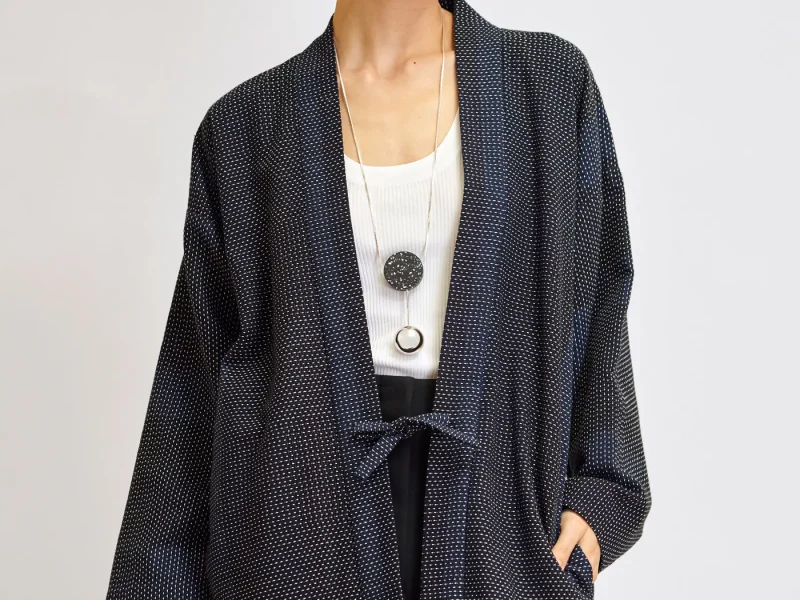
Layering is one of the easiest ways to elevate everyday fashion. Instead of wearing individual pieces without connection, layering creates depth and functionality. A lightweight shirt beneath a cardigan, topped with a tailored blazer, offers both comfort and visual balance.
Modern layering does not necessarily mean wearing bulky clothing. Thin, breathable fabrics allow multiple garments to work together while maintaining a clean silhouette. This approach makes outfits adaptable to changing temperatures throughout the day.
Accessories also function as layers. Scarves, belts, jewelry, handbags, and lightweight outerwear complete an outfit while adding personality without overwhelming the overall appearance.
Understanding Proportions
Great style often depends more on proportion than expensive clothing. Oversized pieces remain fashionable, but balancing them correctly makes all the difference. A loose sweater pairs well with slim trousers, while wide leg pants often look best with a fitted top.
Similarly, cropped jackets can visually lengthen the legs, while longer coats create elegant vertical lines. Understanding how clothing shapes the body’s silhouette helps individuals dress confidently regardless of body type.
Many people appreciate timeless fashion because it prioritizes balance over temporary trends. Clothing that fits well and maintains proportional harmony remains stylish year after year.
Color and Fabric Balance
Modern fashion embraces both simplicity and creativity. Wearing bold colors becomes easier when balanced with neutral textures. Likewise, heavily textured garments often pair best with understated accessories.
Seasonal dressing also benefits from thoughtful fabric selection. Linen and lightweight cotton remain comfortable during warmer months, while wool and heavier knits provide insulation throughout colder seasons. Choosing fabrics appropriate for the climate ensures both comfort and style.
Layering fabrics of different weights also creates movement within an outfit, making even minimal designs appear dynamic and sophisticated.
Accessories Complete the Look
Accessories should enhance rather than dominate an outfit. Well chosen shoes, watches, handbags, scarves, or jewelry create finishing touches that reinforce personal style.
Modern wardrobes often emphasize versatility. Instead of owning numerous accessories for every occasion, selecting timeless pieces with quality craftsmanship offers greater long term value.
Fashion is increasingly shifting toward intentional purchasing rather than impulse buying. Consumers now value durability, versatility, and craftsmanship alongside appearance.
Discussions about sustainable lifestyles frequently appear alongside topics such as pm surya ghar: muft bijli yojana, reflecting a growing awareness that thoughtful choices, whether in fashion or daily living, contribute to long term value and responsible consumption.
Confidence Is the Best Styling Element
No styling technique can replace confidence. Wearing clothes that fit properly and reflect personal taste naturally improves posture and self assurance. Fashion becomes more enjoyable when individuals focus on expressing themselves instead of chasing every passing trend.
Experimenting with different combinations of textures, layers, and proportions gradually helps develop a recognizable personal style. Over time, getting dressed becomes less about following rules and more about understanding what feels authentic.
Even small adjustments, such as rolling sleeves, tucking in a shirt, or changing footwear, can dramatically influence the overall appearance without requiring an entirely new wardrobe.
As people review essential information ranging from financial planning to checking a pmmvy beneficiary list, they also recognize the importance of investing wisely in clothing that delivers lasting versatility rather than short lived appeal.
Conclusion
Modern wardrobes are transformed not by owning more clothes but by styling existing pieces more effectively. Texture adds richness, layering creates depth, and balanced proportions produce flattering silhouettes that work across countless occasions. These principles remain relevant regardless of changing fashion trends because they emphasize harmony, versatility, and individuality. By selecting quality fabrics, mastering layering techniques, understanding proportion, and choosing accessories thoughtfully, anyone can build a wardrobe that feels modern, functional, and effortlessly stylish. Fashion ultimately becomes less about excess and more about making intentional choices that reflect confidence and personal expression every day.