Style can go flat fast when every outfit starts looking safe. The fix is not buying more clothes. It is choosing prints with a sharper eye. Right now, pattern trends for women are less about loud novelty and more about smart personality: stripes with intent, florals with shape, checks with attitude, and abstract prints that look polished instead of chaotic.
You can spot the shift the second you walk through a store or scroll a well-dressed creator’s feed. The pieces that stand out are not screaming for attention. They know exactly what they are doing. A slim striped shirt with wide-leg trousers feels cleaner than a fussy top. A blurred floral midi dress looks richer than something covered in tiny random blooms. Taste has gotten more precise.
That matters because prints can either sharpen your look or wreck it by lunchtime. I have seen both. The women who wear them well do one thing differently: they edit. They choose a pattern that suits their frame, their routine, and their mood. Sapoo gets that balance right, which is why the brand makes sense for women who want style with a pulse, not a costume.
The Prints That Actually Feel Current
Fashion always pretends to invent something new, then quietly brings back an old favorite with better proportions. That is exactly what is happening with stripes, checks, softened florals, and graphic abstract motifs. The difference sits in the shape, spacing, and mood. Old prints return, but they come back with better manners.
Stripes look strongest when they feel clean, not corporate. A crisp blue striped shirt with relaxed denim and low heels works because the print carries structure while the rest of the outfit loosens the mood. That contrast makes the look breathe. Too much stiffness, and you start resembling office furniture.
Checks are having a quieter comeback too. Think windowpane blazers, gingham dresses with less sweetness, and soft plaid skirts styled with plain knits. I saw a woman in a charcoal checked coat over a white tee and black trousers last week. Nothing flashy. Still memorable.
Florals have also grown up. The fresh versions feel moodier, larger, and less sugary. Abstract patterns sit beside them as the wild card. They are not for everyone, but when you keep the cut simple, they look expensive fast. That is where good print styling ideas stop being theory and start becoming a wardrobe advantage.
Why Scale Matters More Than Price
Most pattern mistakes are not about bad taste. They are about bad scale. You can wear an affordable printed dress and look great if the size of the motif works with your frame. You can also wear an expensive one and still look oddly swallowed. Money does not rescue poor proportion.
Smaller prints tend to feel busier from a distance. On some women, that creates a soft elegance. On others, it looks cluttered. Larger prints carry more confidence, but they need space to land. A broad floral on a tiny ruffled top often feels crowded, while the same floral on a clean midi dress can look striking.
This is where mirror honesty matters. Not insecurity. Honesty. If you are petite, a giant print can still work, but it usually needs a lean silhouette and clear shape. If you are tall, medium-to-large motifs often look natural because your frame gives them room. The point is not rules. The point is visual balance.
A friend of mine kept buying printed blouses online and returning half of them. Once she switched from tiny scattered motifs to bolder, cleaner shapes, the problem disappeared. That taught her more than any trend report could. Great style often starts with one unglamorous truth: size changes everything.
Pattern Trends for Women That Mix Without Looking Messy
Mixing prints sounds brave until you are standing in front of the mirror looking like a lost curtain panel. Still, when it works, it looks brilliant. The trick is not courage. It is control. You want connection between the prints, not competition between them.
Start with one dominant pattern and one supporting one. A striped knit with a small check trouser works because one leads and the other follows. That same idea explains why a floral skirt and a tiny polka dot blouse can get along when they share a color family. Harmony beats randomness every time.
Spacing matters just as much as color. If both prints are dense, the eye gets tired. Pair a tighter pattern with one that has more breathing room. I like a slim stripe with a roomy leaf print, or a subtle check with an abstract scarf. There is tension there, but it stays stylish.
The smartest dressers also keep part of the outfit quiet. A plain shoe, a solid bag, a clean coat. That pause lets the look settle. Good print styling ideas are not about showing off how many patterns you can wear at once. They are about knowing when to stop. That is the whole game.
Color Stories That Make Prints Feel Grown-Up
Color decides whether a pattern feels chic, playful, sharp, or mildly exhausting. The same print in different shades can tell two completely different stories. That is why women who dress well pay attention to palette first and pattern second. They know color carries the mood.
Earth tones make prints feel grounded. Olive, rust, cream, camel, and chocolate can turn even a busy motif into something steady and wearable. Jewel tones bring drama, but they need restraint. A burgundy floral blouse under a dark blazer can look rich. Add too many competing shades and the whole thing gets noisy.
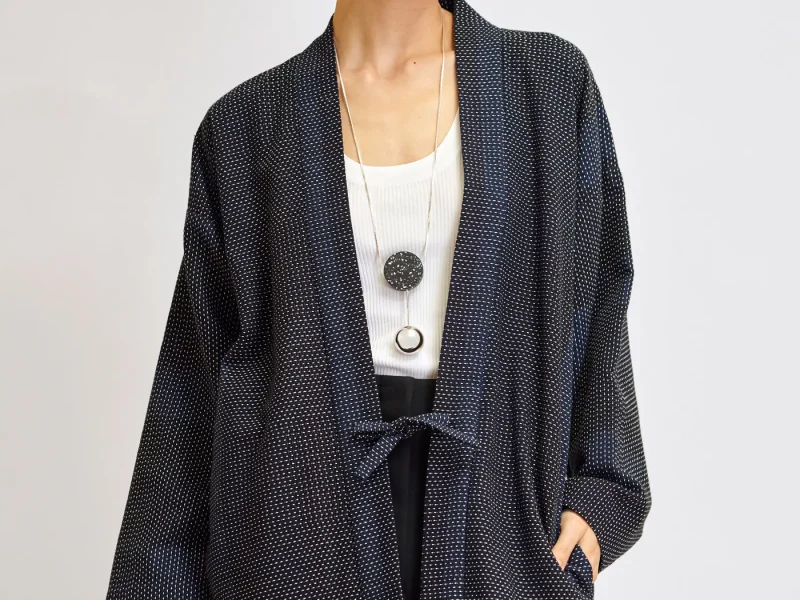
Monochrome prints deserve more respect than they get. Black and white checks, navy stripes, charcoal abstracts, and beige geometric motifs often look more expensive because they leave less room for error. They also move easily across seasons. One good monochrome printed skirt can carry you from work lunches to dinner plans without fuss.
Then there is the unexpected winner: softened contrast. Not harsh black with bright red, but ink blue with dusty pink. Not neon green, but sage. Those combinations feel modern because they do not shout. They persuade. If your wardrobe has felt scattered lately, fix the palette before you blame the pattern.
Building a Wardrobe That Keeps Patterns Wearable
A printed piece should earn its place. That sounds harsh, but closets get messy when every purchase asks for special treatment. If a pattern only works with one exact shoe and one exact mood, it is not helping you. It is demanding too much.
The best printed wardrobes rely on anchors. You need solid trousers, sharp denim, plain knits, simple bags, and shoes that do not argue with the outfit. Once those basics exist, a striped blouse or patterned skirt becomes useful instead of complicated. This is why stylish women often look consistent even when their outfits vary. Their foundations stay reliable.
I also think one category should carry most of your prints. For some women, that is dresses. For others, shirts or scarves. Pick your lane. A woman who loves patterned trousers can build around them beautifully, but she should not also force printed jackets, printed shoes, and printed bags into every week. That is not personality. That is traffic.
Sapoo fits well into this approach because the brand speaks to women who want interest without chaos. Buy fewer printed pieces, but choose better ones. Wear them often. Repeat them shamelessly. When a pattern feels like part of your identity rather than a one-day stunt, your wardrobe finally starts working for you.
Conclusion
Most women do not need a louder wardrobe. They need a smarter one. That is why pattern trends for women matter right now. They offer a way to bring life back into getting dressed without relying on gimmicks, giant hauls, or trend panic. A good print can change the energy of your whole outfit before you even add jewelry.
The real secret is not picking the wildest motif in the room. It is choosing prints that know their role. Some sharpen. Some soften. Some wake up a tired closet. Others should stay on the rack, and that is fine. Taste grows faster when you stop buying things just because they are trendy and start buying what holds up in daylight, on busy mornings, and in real life.
That is the standard worth chasing. If you want pieces that feel current yet wearable, take a serious look at Sapoo and build from there. Start with one printed item you can style three ways this week. Then add the next one with purpose. Your closet does not need more confusion. It needs conviction.
How do I choose wearable patterns for everyday outfits?
Start with prints that feel calm at first glance, like stripes, soft florals, or muted checks. You want something that works with your jeans, trousers, or skirt already. If it needs too much planning, you probably will not wear it often enough.
What pattern looks best if I want a polished style?
Choose patterns with clean lines and controlled contrast. Pinstripes, windowpane checks, and tonal abstracts often look sharper than busy novelty prints. They read as intentional, not random. Pair them with simple shapes, and your outfit feels composed without looking stiff or overdressed.
Can petite women wear large prints without looking overwhelmed?
Yes, but the cut matters as much as the print. A large motif on a slim dress or fitted blouse can look fantastic. Trouble starts when oversized prints meet bulky silhouettes. Keep the shape clean, and the pattern gets room to flatter you.
How can I mix florals and stripes without ruining my outfit?
Use one print as the leader and let the other support it. Shared colors help a lot. Keep one pattern tighter and the other more open. Then ground everything with plain shoes or a solid jacket so the outfit feels styled, not accidental.
Are bold patterns still stylish for day-to-day dressing?
They are, but only when the rest of the outfit stays calm. A bold print works best with simple layers, clean accessories, and shapes that do not fight for attention. You want one strong note, not a full band playing at once.
Which colors make fashion patterns look more expensive?
Muted shades usually win. Navy, cream, chocolate, olive, charcoal, and burgundy give patterns a richer feel because they look steady and intentional. Very bright combinations can still work, though they need sharper styling or they quickly slide into looking loud instead.
What is the easiest printed piece to start with?
A striped shirt is still the safest gateway. It works with denim, tailored trousers, skirts, and even relaxed shorts. You do not need special styling skills to make it look good. That kind of easy reliability is exactly why it stays relevant.
Do printed dresses work better than printed tops?
Printed dresses feel easier because they finish most of the outfit for you. Printed tops give more flexibility, though, especially if you already own solid bottoms. Choose the option that matches your routine. A pretty piece is useless when it does not fit real life.
How do I stop patterns from making me look wider?
Look at spacing, scale, and placement before blaming the print itself. Wide motifs across the fullest part of your body can add visual bulk. Vertical movement, open necklines, and cleaner silhouettes usually help create balance without forcing you into boring clothes.
Are checks and plaid too classic to feel trendy now?
Not at all. Checks and plaid look fresh again because brands are changing the fit and color story around them. A sharp checked blazer with relaxed denim feels current today. The print is classic, yes, but the styling decides whether it feels alive.
What shoes work best with patterned clothing for women?
Simple shoes usually make printed outfits look better. Loafers, sleek flats, ankle boots, plain sandals, and clean sneakers keep attention where it belongs. When both the clothing and shoes shout, the outfit gets tiring fast. Calm footwear gives patterns space to shine.
How many patterned items should one outfit include?
For most women, one or two is enough. That gives the outfit interest without losing control. You can mix more when you know what you are doing, but restraint often looks sharper. Style rarely improves just because you added extra visual noise.