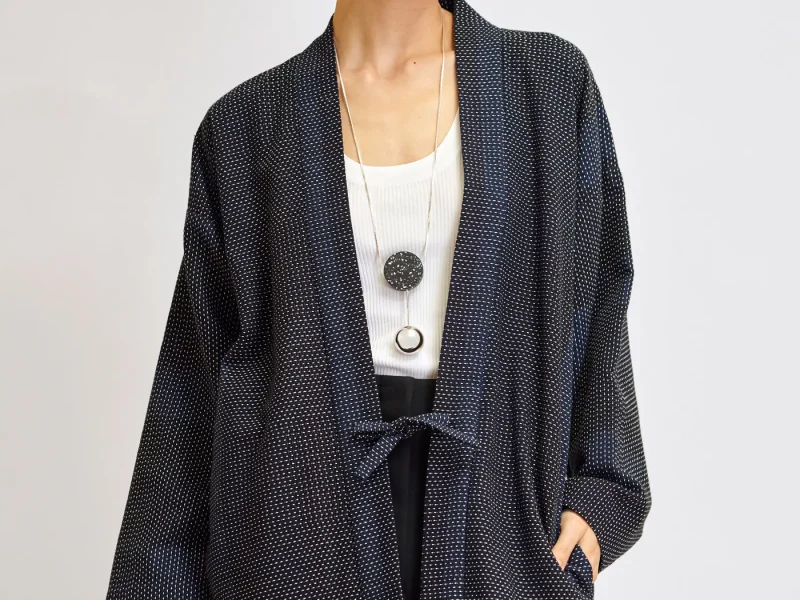

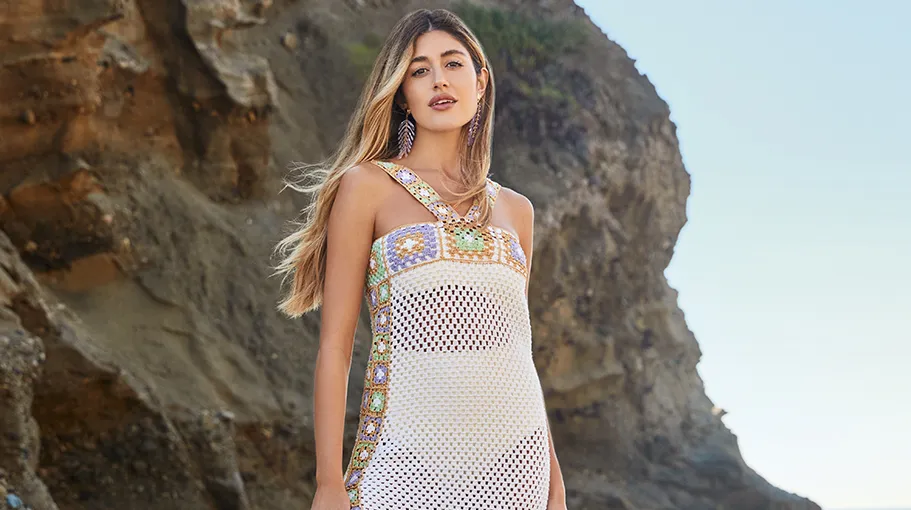
Beach dressing has grown up, and honestly, it needed to. Nobody wants to pack a bag full of “almost clothes” that only work for fifteen minutes between the towel and the car. The smartest swim cover ups now earn their space by working at the pool, on the boardwalk, at lunch, and sometimes even on a casual Friday if styled with care.
That shift matters across the United States, where summer plans rarely stay in one neat lane. A beach morning in San Diego can turn into tacos downtown. A pool day in Austin can become dinner on a patio. A lake weekend in Michigan may include errands, grilling, and a quick stop at a local shop. Style coverage from platforms like modern lifestyle publishing shows the same thing readers already feel: people want pieces that move with real life, not outfits that fall apart the second plans change.
The trick is not hiding your swimsuit. It is choosing layers that look intentional. Fabric, cut, opacity, shoes, and accessories decide whether a cover-up feels like a towel with sleeves or a real outfit with beach logic built in.
Swim Cover Ups Work When They Stop Acting Like Afterthoughts
A cover-up becomes useful the moment it looks chosen instead of grabbed. That difference comes from structure. A loose shirt, wrap skirt, crochet dress, or linen pant can all work beyond the beach, but only when the piece has enough shape to stand on its own.
Why fabric decides where the outfit can go
Fabric tells people what kind of place your outfit belongs in before color or pattern gets a chance. Thin, clingy rayon may feel fine near water, but it often looks tired by the time you reach a café. Linen, cotton gauze, textured mesh, and heavier crochet keep their dignity longer.
A white linen button-down over a black one-piece swimsuit can pass for a relaxed coastal outfit in Charleston or Newport because the shirt has body. Roll the sleeves, add flat leather sandals, and the look reads as casual, not unfinished. The swimsuit becomes the base layer instead of the whole point.
Sheer fabric needs more care. A transparent dress may look great beside a hotel pool, but it can feel awkward inside a grocery store or restaurant. The better move is semi-sheer texture. Open-weave cotton, eyelet, and dense crochet hint at beachwear without giving away the entire outfit underneath.
How structure makes casual pieces feel intentional
Shape saves a simple cover-up from looking lazy. A drawstring waist, side slit, collar, cuff, or wrap tie gives the piece a clear line. Without that, even expensive fabric can hang like laundry.
A shirt dress is the easiest example. Worn open over a bikini, it feels beach-ready. Buttoned halfway with a belt, it becomes a casual lunch outfit. Buttoned almost fully with slides and hoop earrings, it can handle a resort dinner where the dress code says “relaxed” but still expects effort.
The unexpected part is that oversized pieces often need more styling, not less. A huge tunic looks chic only when something else in the outfit creates order. That might be a sleek bun, a structured straw tote, clean sandals, or a swimsuit with a sharp neckline. Volume needs a counterweight.
Turning Beach Cover Up Outfits Into Day Plans
The best beach cover up outfits are built around movement. You sit, walk, dry off, eat, shop, and maybe ride home with sand still hiding somewhere. A useful outfit handles that rhythm without asking you to change every hour.
What works for boardwalk lunches and casual errands
A button-down shirt and pull-on shorts remain hard to beat because they solve several problems at once. The shirt gives coverage. The shorts make walking easy. The swimsuit underneath keeps the whole look ready for water without making you feel underdressed away from it.
In places like Santa Monica, Cape May, or Virginia Beach, this formula makes sense because the day often spreads across restaurants, parking lots, shops, and crowded walkways. You need clothes that do not scream “I came straight from the ocean,” even when you did.
A long sarong can work too, but it needs a secure tie and the right length. Knot it at the hip over a one-piece, then add a cropped linen shirt. That small top layer makes the outfit feel less like a pool wrap and more like a summer skirt look. Tiny changes carry the whole thing.
Why shoes change the whole message
Shoes can rescue or ruin a cover-up faster than almost anything. Rubber flip-flops keep the outfit pinned to the beach. Leather slides, espadrilles, flat sandals, or clean white sneakers move it into town.
A crochet midi dress over a swimsuit with rubber flip-flops says pool deck. The same dress with tan slides, a woven bag, and simple sunglasses says vacation lunch. Nothing dramatic changed, but the outfit gained purpose.
Sneakers deserve more credit here. A striped cover-up shirt, swimsuit, denim cutoffs, and white sneakers can feel fresh for a lake trip or casual boardwalk day. The look is practical, especially when you know you will walk more than expected. Cute matters less when your feet start arguing with you.
Resort Wear That Still Makes Sense at Home
Resort wear can get silly fast. Some pieces look made for a fantasy version of life where nobody sweats, spills iced coffee, or sits in a hot car. The pieces worth buying are the ones that feel special on vacation but not ridiculous back home.
Which dress styles work beyond the pool
A kaftan can be stunning, but the cut matters. A shapeless kaftan with loud print may only work at a resort. A cleaner version with side slits, a V-neck, and good drape can move into dinner, backyard parties, and warm weekend plans.
The same rule applies to cover-up dresses. A mini dress in terry cloth may feel playful for Miami or Palm Springs, but it usually stays casual. A cotton poplin cover-up dress with pockets and a defined waist goes farther. Add a slip if needed, and it becomes a summer dress instead of beach-only gear.
Color also affects range. Neon shades are fun near water, yet harder to repeat in regular outfits. Black, white, navy, olive, soft blue, and warm beige often travel better. Print can work, but it should feel like clothing first and vacation second.
How to style matching sets without looking overdone
Matching sets have become a smart answer for summer travel because they reduce decision fatigue. A wide-leg pant and relaxed shirt can sit over a swimsuit during the day, then turn into dinner wear with better sandals and jewelry.
The danger is looking too polished for the setting. A silky printed set at a public beach may feel out of place when everyone else is carrying coolers and folding chairs. Cotton, linen blends, and crinkled gauze feel more believable. They still look pulled together, but they do not fight the mood.
A good set also lets you break the pieces apart. Wear the pants with a ribbed tank at home. Wear the shirt with denim shorts. That is where the purchase starts making sense. You are not buying one vacation moment; you are buying several summer outfits that happen to tolerate water nearby.
Summer Layering That Balances Coverage, Comfort, and Style
Coverage is not only about modesty. It is about sun, wind, cold restaurant air, damp fabric, and feeling ready for wherever the day bends next. Summer layering works best when it stays light but still gives the outfit a clear finish.
How to avoid looking overdressed near water
Layering near the beach should never feel stiff. Heavy jewelry, tight belts, and fussy bags can make a cover-up look like it is trying too hard. The goal is ease with control.
A loose gauze shirt over a swimsuit, soft pull-on pants, and flat sandals gives you coverage without losing the relaxed mood. Add a canvas tote instead of a glossy handbag. Choose one piece of jewelry, not five. The outfit stays calm.
One counterintuitive move works well: cover more skin with lighter pieces instead of less skin with tighter pieces. A long-sleeve linen shirt can feel cooler and look sharper than a tiny tank when the sun is harsh. In Florida, Arizona resort towns, and Southern California, that kind of practical style often wins.
What makes a cover-up worth packing
A cover-up earns its place when it works with at least three outfits. If it only matches one swimsuit and one pair of sandals, it is probably not worth the space. Travel exposes weak clothes fast.
Before packing, test the piece with real combinations. Can the shirt go over your swimsuit and with jeans? Can the pants work with a tank and a bikini top? Can the dress handle brunch if you add a slip or better sandals? If the answer keeps coming back yes, the piece belongs in the bag.
The strongest summer wardrobes are not packed with more clothes. They are built around smarter overlap. Swim Cover Ups become actual outfits when they match your real plans, not some fantasy of perfect vacation dressing.
Conclusion
A beach layer should not retire the minute you leave the sand. The best pieces carry the ease of swimwear into the rest of the day while still respecting where you are going next. That means choosing fabric with enough weight, cuts with enough shape, and accessories that make the look feel decided.
Swim Cover Ups are no longer side pieces in a summer wardrobe. They can be the shirt you wear with shorts, the dress you take to lunch, the pants you pack for a weekend, or the layer that saves you when plans stretch longer than expected. The point is not to look dressed up at the beach. The point is to stop changing clothes for every tiny shift in the day.
Start with one piece that works in water-adjacent life and regular life. Wear it three ways before buying another. Your summer wardrobe will get lighter, sharper, and far more useful when every layer has a real job.
Frequently Asked Questions
What are the best beach cover up outfits for lunch after swimming?
Choose a button-down shirt, pull-on shorts, leather slides, and a swimsuit that looks like a fitted top. This mix feels relaxed near water but still appropriate for casual restaurants, boardwalk cafés, and patio lunches.
Can you wear a swim cover-up as a regular dress?
Yes, if the fabric is not too sheer and the cut has enough shape. Shirt dresses, cotton poplin styles, and heavier crochet dresses work best. Add a slip, belt, or better sandals when you need more polish.
What shoes look best with poolside outfits?
Leather slides, flat sandals, espadrilles, and clean white sneakers usually work best. Rubber flip-flops are fine near water, but they make the outfit feel less finished once you leave the pool or beach.
How do I style resort wear without looking overdressed?
Pick breathable fabrics, simple shapes, and relaxed accessories. Linen sets, gauze shirts, and easy dresses feel polished without looking forced. Avoid shiny fabrics or heavy jewelry unless the setting calls for a dressier look.
Are crochet cover-ups practical beyond the beach?
Crochet can work beyond the beach when the weave is dense enough and the length feels wearable. A crochet midi dress with a slip or a crochet top over linen pants can look stylish for casual summer plans.
What should I pack for a beach-to-dinner outfit?
Pack a shirt dress, flat sandals, a structured tote, simple jewelry, and a swimsuit with a clean neckline. Add a belt or light layer if dinner is casual but still calls for a more finished look.
How can summer layering help with sun protection?
Light layers can protect shoulders, arms, and chest without trapping too much heat. Linen shirts, cotton gauze pants, and loose long-sleeve pieces often feel better than tighter clothing during long sunny days.
What makes a cover-up worth buying?
A cover-up is worth buying when it works with several outfits, not only one swimsuit. Look for breathable fabric, real shape, easy movement, and styling range across beach days, errands, travel, and casual meals.