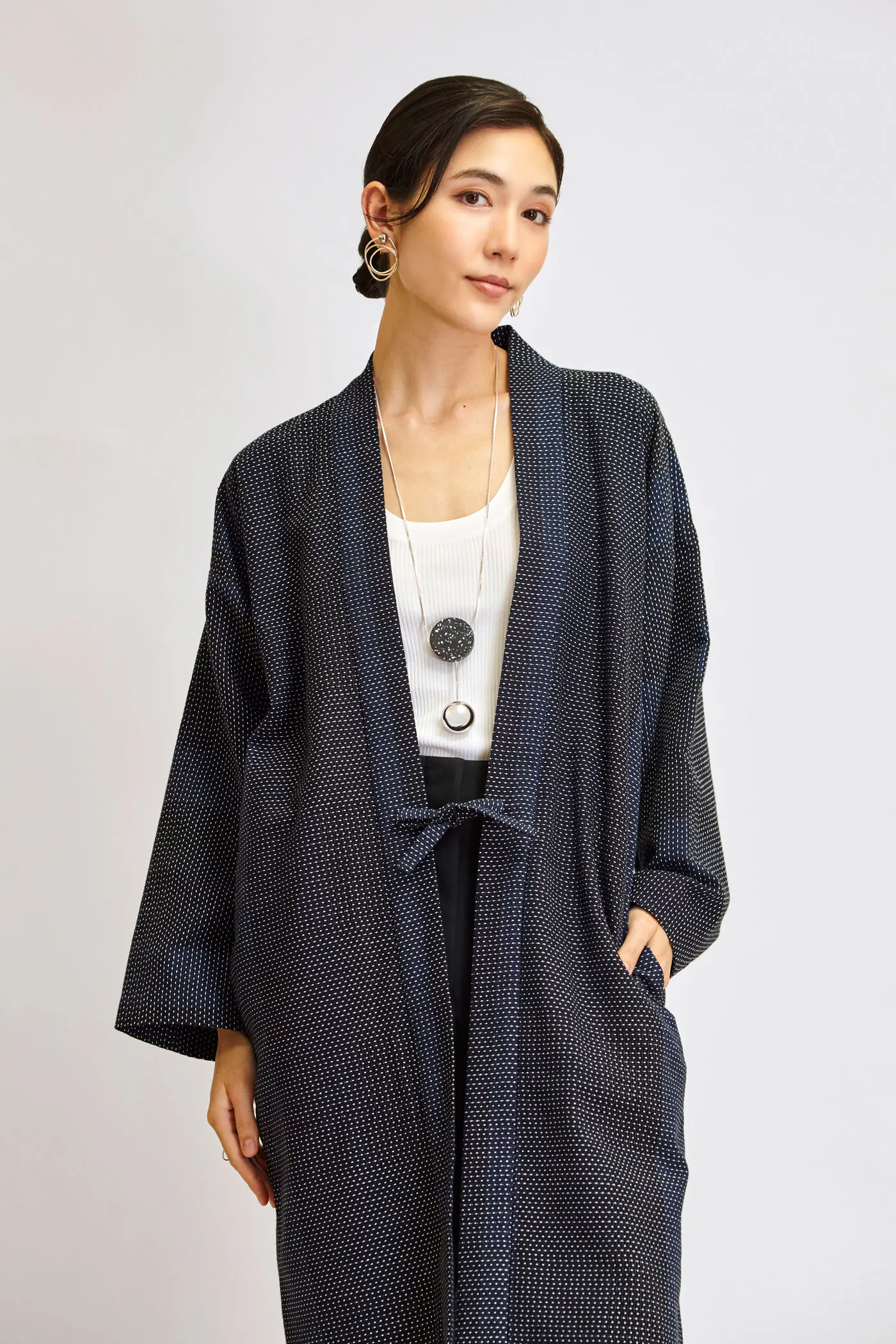
A good outer layer can change an outfit faster than any statement shoe or designer bag. Kimono Jackets have earned that power because they add shape, softness, and movement without making daily dressing feel fussy. Across U.S. cities, from casual Los Angeles weekends to New York coffee runs, women are using them as an easy answer when a blazer feels too stiff and a cardigan feels too plain. The appeal sits in that middle space where comfort meets polish. You can throw one over denim, a tank dress, wide-leg pants, or a simple tee and still look like the outfit had a plan. That is why fashion readers often turn to practical style coverage when they want ideas that feel wearable instead of staged. The best part is not drama. It is ease. A flowing layer can make ordinary clothes feel intentional, and that matters on days when you want style without wrestling with your closet.
Why Kimono Jackets Feel Fresh in Daily Wardrobes
The strongest outerwear pieces solve a real problem before they become a trend. Kimono Jackets do that by offering coverage, movement, and personality without the weight of traditional coats. They sit lightly on the body, which makes them useful in U.S. climates where mornings, offices, cars, and evenings often disagree with each other.
The soft structure that flatters without feeling formal
A tailored blazer can sharpen an outfit, but it can also make casual clothes feel like they are pretending to be office wear. A kimono-style layer works differently. It frames the body without locking it into hard lines, so the outfit looks finished but still relaxed.
This is why the piece works so well over a plain white tank and straight-leg jeans. The base outfit may be simple, but the loose sleeve and open front add visual rhythm. You do not need loud color or heavy styling when the shape already creates interest.
The unexpected trick is that softness can look more intentional than structure. A stiff jacket sometimes announces effort. A fluid piece lets the eye move, which often reads as confidence rather than decoration.
Why lightweight outerwear matters in American dressing
Most people do not dress for one temperature anymore. You leave a warm apartment, step into a cold grocery store, sit in an air-conditioned office, and walk back into afternoon heat. Lightweight outerwear answers that daily shift better than heavier layers.
A kimono-style jacket gives you coverage without trapping heat. In places like Austin, Phoenix, San Diego, or Miami, that matters. You may need a layer for sun protection, indoor chill, or modest coverage, but you do not want the bulk of a lined jacket.
There is also a packing advantage. A soft outer layer can fold into a tote, sit over your arm, or slip into a carry-on without ruining its shape. That makes it useful for travel days, farmers markets, beach towns, and long weekends where one piece has to do more than one job.
Styling Them With Everyday Outfits Without Overdoing It
A flowing jacket can look elegant or messy depending on what you place under it. The secret is not buying the boldest print. The secret is keeping the base outfit clean enough that the outer layer has room to speak.
How casual layering keeps the look grounded
Casual layering works best when one piece carries the personality and the rest of the outfit stays quiet. A printed outer layer over a black tank, faded jeans, and low sandals looks easy because nothing fights for attention.
This is especially useful for women who like color but do not want a closet full of statement clothes. One patterned jacket can change several everyday outfits. It can soften black denim, warm up white linen pants, or make a basic slip dress feel less bare.
A common mistake is adding too many extras. Large earrings, a wide belt, bright shoes, and a printed jacket can crowd the outfit fast. Let one part lead. The rest should support it, not compete for the mirror.
Why proportion matters more than print
Print gets attention first, but proportion decides whether the outfit works. A longer jacket often pairs best with slim or straight bottoms because the vertical line stays clear. Cropped versions can work with wide-leg pants because they stop before the outfit gets heavy.
For example, a mid-thigh floral layer over a fitted ribbed dress can create balance without needing much else. The dress keeps the column clean. The outer piece adds movement. That combination feels dressed but not stiff, which is exactly the sweet spot for dinner, brunch, or a casual office.
The counterintuitive part is that petite women do not always need short layers. A longer open-front jacket can lengthen the frame when the outfit underneath stays tonal. The eye follows the line from shoulder to hem, and the body can look taller rather than swallowed.
Choosing Fabrics, Colors, and Prints That Actually Last
A beautiful layer fails when the fabric wrinkles badly, clings in the wrong places, or only works with one outfit. Longevity comes from how the piece behaves in real life, not how striking it looks on a hanger.
The fabrics that move well through seasonal outfits
Seasonal outfits need fabric that fits the weather and the mood. Cotton blends feel easy for daytime errands. Rayon and viscose drape well for dinner plans. Linen blends bring texture, though they wrinkle more, which can be charming or annoying depending on your tolerance.
Silky fabrics look polished, but they can slide around if the cut is too wide. Heavier jacquard or embroidered styles make stronger evening pieces, yet they may feel too dressed up for everyday wear. The best choice depends on where you plan to wear it most.
A smart closet often has one breathable daytime layer and one dressier option. That gives you range without clutter. One can live with sneakers and denim. The other can sit beside heels, slip skirts, and dark trousers.
Prints that feel stylish without trapping you
A print should give you styling options, not limit them. Small florals, brushstroke patterns, soft geometrics, and border prints tend to age better than loud novelty designs. They offer interest without making the outfit feel locked to a single season.
Neutral bases are easier to repeat. A cream, navy, olive, rust, or black background can work with more pieces in an American wardrobe than a neon base that demands attention every time. Color can still appear through the pattern, but the foundation keeps it wearable.
Here is the quiet shopping test: imagine wearing the piece with three outfits you already own. If you can only picture it with one perfect look, it may become closet art. A good outer layer should earn its space on ordinary Tuesdays, not only on vacation.
Making the Look Work for Age, Setting, and Personal Style
The beauty of this outerwear piece is that it does not belong to one age group or one fashion personality. It changes depending on what you pair it with. That flexibility is why it keeps returning in city wardrobes, resort edits, and weekend outfits.
How to wear kimono-style jackets without looking costume-like
Kimono-style jackets can lean theatrical if the rest of the outfit copies the same mood too closely. Wide sleeves, satin fabric, embroidered trim, dramatic earrings, and ornate shoes can make the look feel more like styling for a theme than dressing for real life.
The fix is contrast. Wear the jacket with a ribbed tank, clean denim, flat leather sandals, or a simple column dress. American everyday style often works best when one expressive piece meets practical basics. That tension keeps the look current.
This matters even more with vintage-inspired pieces. A beautiful robe-like layer can look stunning, but it needs modern anchors. A sleek bun, minimal jewelry, and straight-leg pants can pull the piece into the present without stripping away its charm.
Dressing it up without losing ease
Evening styling does not need sparkle everywhere. A black slip dress under a softly patterned layer can look more refined than a pile of glittering accessories. Add a small clutch, simple heels, and a clean neckline, and the outfit feels considered.
For work-adjacent settings, choose a longer solid or muted print over tailored pants and a fitted top. The shape adds softness to office basics without making the outfit look careless. In creative workplaces, this can feel more personal than a standard blazer.
The unexpected lesson is that ease can be elegant. Clothes do not have to pinch, shine, or announce themselves to look polished. Sometimes the most memorable outfit in the room is the one that moves naturally when the person wearing it does.
Conclusion
Personal style gets stronger when your closet has pieces that can shift roles without asking for attention every minute. A flowing outer layer can be casual at noon, polished by evening, and useful again the next weekend with different shoes. That kind of range is not a small thing, especially when many wardrobes are full of pieces that only work under perfect conditions.
The smartest way to wear Kimono Jackets is to treat them as real outerwear, not as an afterthought. Choose fabric with movement, keep proportions clear, and let the layer bring personality while the rest of the outfit stays grounded. When you do that, the piece stops feeling like a trend and starts feeling like a reliable styling tool.
Start with one version that fits your actual life, then build outfits around what you already own. Your best layer should make getting dressed feel lighter, sharper, and more like you.
Frequently Asked Questions
How do you wear kimono-style jackets for everyday outfits?
Pair one with simple basics like jeans, tank tops, slip dresses, or straight-leg pants. Keep the base outfit clean so the jacket can add movement and personality without making the look feel crowded.
Are kimono-style jackets good lightweight outerwear for summer?
They work well in summer when the fabric is breathable and soft. Cotton blends, rayon, and light viscose can give coverage without adding heat, which helps in warm U.S. cities and air-conditioned indoor spaces.
What pants look best with long kimono-style jackets?
Straight-leg jeans, slim trousers, and fitted knit pants often balance the flow of a longer jacket. Wide-leg pants can work too, but the top underneath should stay fitted so the full outfit keeps shape.
Can women over 50 wear kimono-style jackets stylishly?
They can look elegant at any age when styled with clean basics and quality fabric. Solid colors, soft prints, and longer cuts often feel polished, while simple jewelry keeps the outfit relaxed and current.
What shoes should I wear with kimono-style outerwear?
Flat sandals, loafers, white sneakers, ankle boots, and simple heels all work depending on the outfit. The best shoe choice should match the setting, not the jacket alone.
How do you keep printed kimono-style jackets from looking too busy?
Use one print as the main statement and keep everything else quiet. Solid tops, neutral bottoms, and minimal accessories help the pattern feel stylish instead of overwhelming.
Are kimono-style jackets appropriate for casual offices?
They can work in creative or relaxed offices when the fabric and print feel polished. Pair one with tailored pants, a fitted top, and closed-toe shoes for a softer alternative to a blazer.
What is the best fabric for casual layering with these jackets?
Rayon, viscose, cotton blends, and light linen blends are strong choices for casual layering. They move well, feel comfortable, and suit daily outfits better than stiff or overly shiny fabrics.