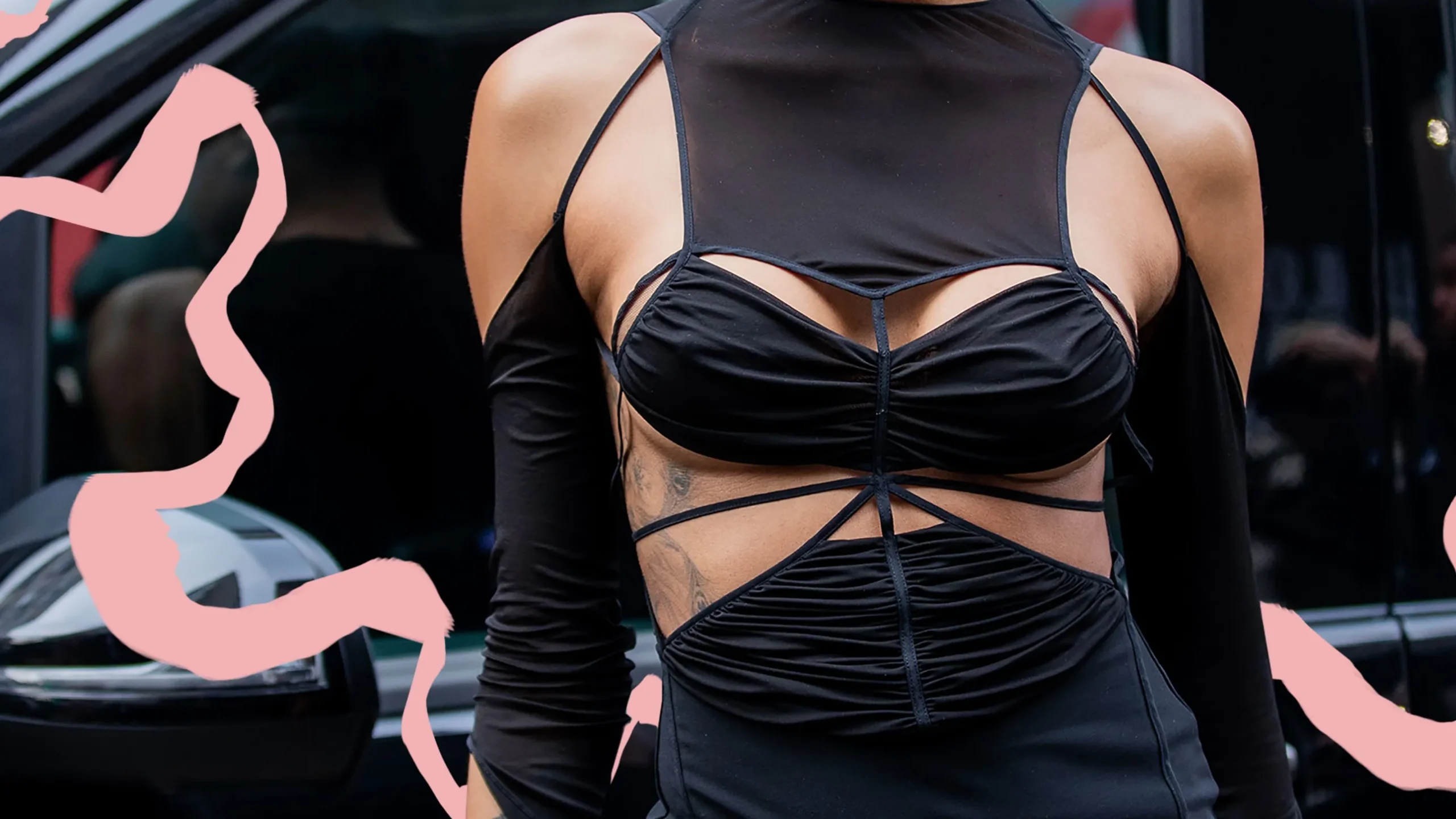
Style gets boring when every dress plays it safe. The rise of Cut Out Dresses proves that modern women are not choosing between elegance and confidence anymore; they want both in the same look. Across American cities, from rooftop dinners in Miami to gallery nights in Chicago, this design has moved past party-only fashion and entered everyday style conversations.
The appeal is not only about showing skin. It is about control. A small side opening, a shoulder detail, or a waist cut can change the whole attitude of a dress without making it loud. That is why fashion lovers, stylists, and even brands featured through modern fashion visibility platforms keep returning to this silhouette.
A good cut out dress does not beg for attention. It edits the body with shape, space, and intention. When done well, it feels feminine, current, and personal without looking overworked. That balance is exactly why this trend has stayed longer than most people expected.
Why Cut Out Dresses Feel Fresh Without Losing Elegance
The smartest fashion trends do not erase what came before them. They take something familiar and make it sharper. Dresses have always carried softness, movement, and femininity, but cut out details add tension. That tension keeps the look alive.
Modern Feminine Dresses Are No Longer About Softness Alone
American fashion has shifted away from the idea that feminine style must mean sweet, delicate, or quiet. Women still want beauty, but they also want structure and attitude. A dress with a waist opening or shoulder cut gives that contrast in one move.
The unexpected part is that a cut out can make a dress feel more polished, not less. A simple black midi dress with one clean side detail may look more refined than a heavily embellished gown. Restraint often feels richer than decoration.
This is why modern feminine dresses work best when the design has discipline. The opening needs a reason. It should follow the body’s natural lines instead of looking placed there for shock value.
Edgy Dress Styles Work Best When They Stay Balanced
Edgy dress styles can go wrong fast when every part of the outfit tries to compete. A cut out already brings visual interest, so the rest of the look should know when to step back. Clean hair, simple jewelry, and steady shoes often do more than dramatic styling.
Think of a woman wearing a cream cut out knit dress to a summer dinner in Los Angeles. The dress feels bold, but flat sandals and gold hoops make it relaxed. That is the difference between looking styled and looking trapped inside a trend.
Balance also protects the dress from looking too young or too nightclub-focused. When the fabric, length, and fit feel grown, the cut out becomes a design choice instead of a risk.
Choosing the Right Cut Out Dresses for Your Body and Setting
The best version of this trend does not come from copying a celebrity photo. It comes from knowing where you want the eye to go and where you want comfort to stay protected. Personal fit matters more here than almost any other dress detail.
What Makes a Cut Out Dress Flattering Instead of Fussy?
A flattering cut out follows a part of the body that already has natural shape. The waist, collarbone, upper back, and shoulder are common for a reason. These areas can reveal structure without making the dress hard to wear.
Fit is where many shoppers make the mistake. If the dress pulls across the opening, the whole look feels tense. If the opening gaps, it looks unfinished. The dress should sit close enough to hold shape but not so tight that you keep adjusting it.
A smart example is a ribbed midi dress with a small side cut worn with a long coat in New York. The coat gives coverage, while the detail appears only when you move. That kind of styling feels confident because it does not announce itself too loudly.
How to Match Skin-Baring Fashion to Real Life
Skin-baring fashion needs context. A beach resort dress can show more back, while a dinner dress may need a cleaner neckline and longer hem. The setting decides how much openness feels natural.
For daytime, cotton, linen blends, and soft knits make cut outs feel relaxed. For evening, satin, crepe, and jersey can add polish. The fabric changes the message before the accessories even enter.
The counterintuitive truth is that less exposed skin often creates more impact. A tiny waist opening on a long sleeve dress can feel stronger than several large cut outs at once. Mystery still has power.
Styling Cut Out Details Without Overdoing the Look
Once the dress carries the main visual idea, styling becomes an editing job. The goal is not to add more drama. The goal is to give the dress room to speak clearly.
Minimal Accessories Help the Shape Stand Out
Jewelry should support the lines of the dress instead of fighting them. If the cut out sits near the neckline, skip a necklace and choose earrings. If the dress opens at the waist, a bracelet or ring may be enough.
Shoes should match the mood rather than the trend. Strappy heels can sharpen the look for dinner, while clean mules make it city-ready. Sneakers work with casual ribbed versions, but only when the dress fabric feels relaxed enough to carry them.
A woman heading to a Nashville rooftop brunch might wear a rust-colored side cut midi with low block heels and a woven bag. Nothing shouts. Still, the outfit has a clear point of view.
Layering Can Make Bold Dresses Easier to Wear
Layering gives this trend more range than people expect. A blazer over a cut out dress can make it work for a dinner after work. A denim jacket can soften the edge for weekend plans.
This is where many shoppers underestimate the dress. They see one open detail and think it limits the outfit. In reality, the right layer can make the same piece feel casual, dressy, or quietly polished.
A long cardigan over a fitted dress creates movement while reducing exposure. A cropped jacket highlights the waist without adding bulk. These small decisions decide whether the outfit feels styled or accidental.
Why This Trend Has Long-Term Fashion Value
Some trends burn fast because they depend on shock. This one has lasted because it can adapt. Cut outs can be subtle, bold, romantic, minimal, or sculptural depending on how designers use them.
Designers Keep Reinventing the Shape
Fashion brands in the U.S. have treated cut outs as more than a seasonal trick. They show up in vacation collections, formalwear, knitwear, bridesmaid dresses, and everyday summer pieces. That range gives the detail staying power.
The strongest designs now use placement with more care. Instead of random openings, many dresses use curved lines, twisted fabric, or negative space near the waist and shoulders. The dress feels built, not sliced.
This matters because trends survive when they become design language. A cut out is no longer one look. It is a tool that can change mood, proportion, and movement.
Confidence Matters More Than Exposure
The real appeal sits in how the dress makes the wearer feel. A woman does not need the most revealing version to look current. She needs the version that lets her move, sit, laugh, and walk without thinking about the garment every minute.
That is why confidence comes from fit first. The dress should support your body instead of making you manage it. When comfort disappears, style follows close behind.
The future of this trend belongs to women who choose with intention. Cut Out Dresses will keep working because they offer edge without asking anyone to abandon femininity. Choose the shape that fits your life, wear it with restraint, and let one sharp detail do the talking.
Frequently Asked Questions
Are cut out dresses still in style for women in the USA?
Yes, they remain popular because designers keep updating them with cleaner shapes, better fabrics, and more wearable placements. The trend now appears in casual dresses, evening looks, vacation wear, and formal outfits, which gives it more staying power than a short seasonal fad.
How do I wear a cut out dress without looking too revealing?
Choose one focused cut out instead of several competing openings. Longer hems, higher necklines, thicker fabrics, and simple layers can make the dress feel polished. A blazer, cardigan, or clean jacket also helps balance skin exposure without hiding the design.
What body type looks best in modern feminine dresses with cut outs?
Any body type can wear them when the placement feels right. Waist cut outs create shape, shoulder openings highlight structure, and back details add elegance. The best choice depends less on body type and more on fit, fabric weight, and personal comfort.
Can cut out dresses work for casual daytime outfits?
Yes, casual versions in cotton, ribbed knit, jersey, or linen blends can work for daytime. Pair them with flat sandals, sneakers, mules, or a denim jacket. Keep jewelry simple so the dress feels relaxed rather than dressed for a night event.
What shoes look best with edgy dress styles?
Strappy heels sharpen evening looks, block heels add comfort, and sleek mules give a modern city feel. For casual outfits, simple sneakers or flat sandals can work. The shoe should match the fabric and setting instead of competing with the dress.
Are cut out dresses appropriate for weddings or formal events?
They can be appropriate when the cut out is tasteful and the dress fits the dress code. Choose elegant fabrics, longer lengths, and controlled openings. Avoid anything too revealing for religious ceremonies, formal family events, or conservative venues.
How can I style skin-baring fashion in colder weather?
Layer with a tailored blazer, long coat, cropped jacket, or soft cardigan. Boots can also make the outfit feel seasonal. Heavier fabrics like knit, crepe, or thicker jersey help the dress feel natural in cooler weather while keeping the design visible.
What accessories should I wear with a cut out dress?
Simple accessories usually work best. Choose earrings if the neckline has detail, or bracelets and rings if the cut out sits near the waist. Small bags, clean sandals, and minimal jewelry keep attention on the shape of the dress.