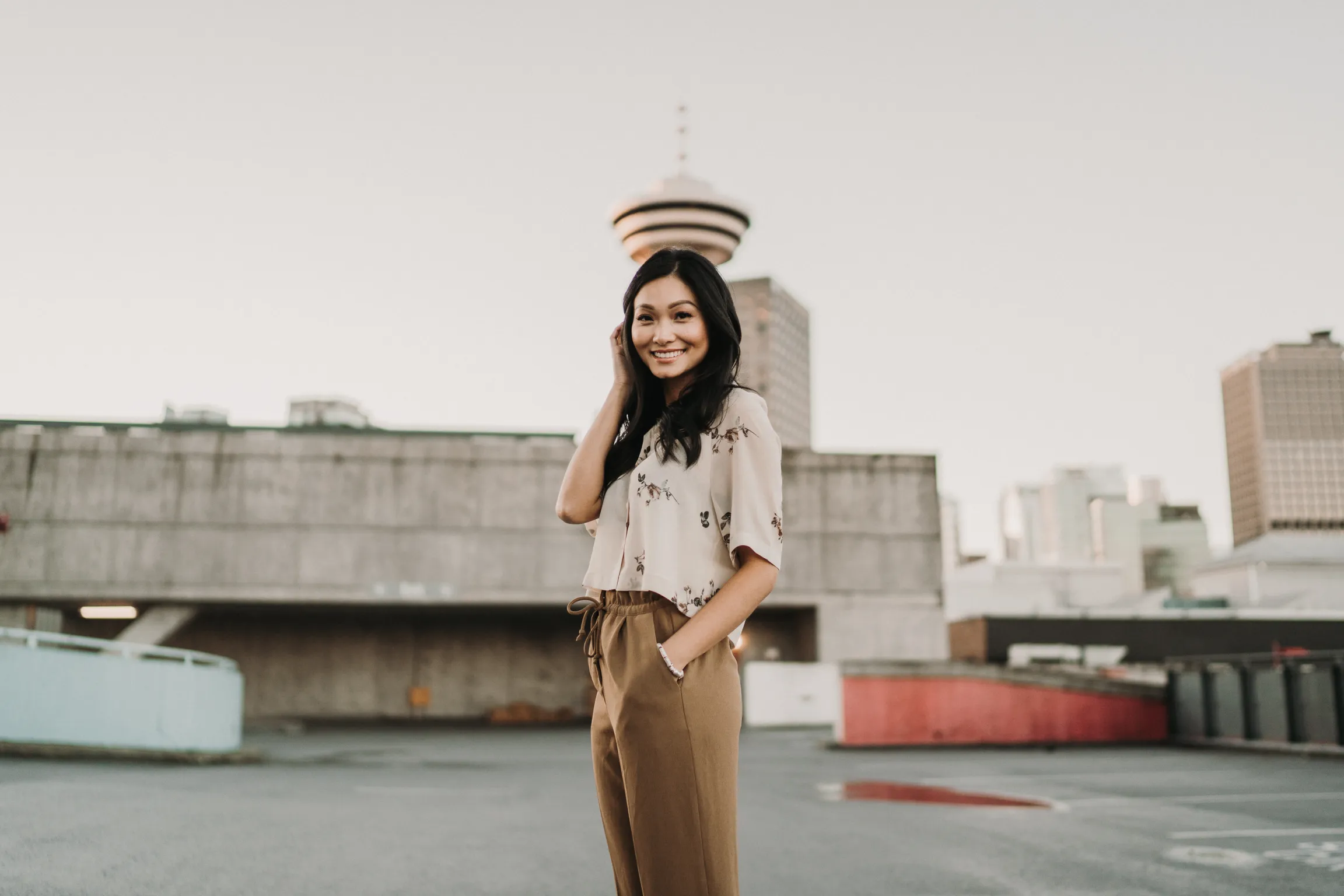
A good waistband can change the whole mood of an outfit before anyone notices the shoes, bag, or jacket. That is why Paperbag Waist Trousers have moved from a quirky trend into a closet piece many American women now treat as a smart styling tool. They do something rare: they make the waist look shaped without demanding a stiff, uncomfortable fit.
The appeal is not only about looking slimmer. It is about proportion. A gathered waist can soften boxy tops, bring balance to wide hips, and give simple outfits a more styled finish. For readers who follow fashion, beauty, and lifestyle updates through modern style coverage, this trouser shape proves that small design details can carry a full outfit.
Across U.S. offices, brunch spots, campuses, and weekend city walks, these pants are showing up because they solve a real problem. People want clothing that feels relaxed but still looks intentional. The paperbag waist does that when it is styled with care. Get it wrong, and the fabric bunches. Get it right, and your waistline suddenly looks like the center of the whole look.
Why Paperbag Waist Trousers Create Shape Without Feeling Tight
The best part of this trouser style is the quiet trick it plays on proportion. Instead of squeezing the waist flat, the gathered top creates a visible frame around it. That frame tells the eye where the waist sits, even when the rest of the outfit stays relaxed. It is structure without the punishment.
The gathered waistband draws attention to the narrowest point
A paperbag waistband usually rises above the natural waist and cinches with a belt, tie, or elastic band. That extra fabric at the top creates a small ruffle effect, which makes the waistline look more defined by contrast. The shape works because the eye reads the gathered area as a border.
This can help women who feel their outfits often look shapeless. A loose blouse and straight trousers may feel comfortable, but they can hide the body’s natural lines. Add a cinched paperbag waist, and the outfit suddenly has a center. That one change can make a plain white tee look styled.
The effect is strongest when the pants sit at the right height. In many U.S. stores, high-rise paperbag trousers are easier to find because they work better with tucked tops and cropped layers. A mid-rise version can still look good, but it may not create the same clean waist focus.
The belt detail adds shape without harsh compression
A built-in belt gives the wearer control. You can tie it tighter for a crisp office outfit or loosen it a little for a weekend look. Unlike rigid jeans, the waist is not fighting your body all day. That matters if you sit at a desk, commute, or move between errands.
This is where paperbag waist pants feel different from many “flattering” pieces. They are not built around restriction. They create a visual waistline through folds, fabric direction, and a tied center. The body is not forced into the garment. The garment does the work.
A practical example is the Monday office outfit many women repeat: trousers, tucked knit top, loafers, and a blazer. With flat-front pants, the look can feel plain. With a paperbag waist, the same outfit has texture and shape. Nothing loud. Enough difference to feel finished.
How the Right Fabric Changes the Whole Waistline Effect
Fabric decides whether this style looks sharp or messy. The waistband may have the same design, but cotton, linen, satin, denim, and crepe each behave differently. A good pair shapes the waist. A bad pair collapses into bulk. That is the line you need to watch.
Soft fabrics give a relaxed, easy waist shape
Linen blends and soft cotton trousers make the paperbag waist feel casual. They work well for summer days, relaxed offices, beach towns, and weekend lunches. The fabric moves, so the waistband feels less formal. You get shape, but not a severe outline.
This softness can be useful if you dislike stiff tailoring. A linen paperbag trouser with a fitted tank and sandals can feel pulled together without looking like you tried too hard. In warmer U.S. cities like Austin, Miami, or Phoenix, that kind of outfit makes sense because breathability matters as much as style.
The catch is wrinkling. Softer fabric can bunch around the stomach if the pants are too tight or the top is too bulky. A smooth tucked tee often works better than a thick sweater. The waistband already has volume, so the top should not compete for space.
Structured fabric gives a cleaner, more polished waist
Crepe, twill, and heavier blends create a sharper paperbag shape. These fabrics hold the gathered waist upright, which makes the pants look more tailored. They are better for offices, dinners, and events where you want the outfit to feel planned.
This is where the style can surprise people. Many assume gathered-waist trousers are casual, but a structured black or camel pair can look refined with a tucked blouse and pointed flats. The belt becomes part of the design, not an afterthought.
A counterintuitive truth: thicker fabric can sometimes look slimmer than thin fabric. Thin material may cling in the wrong places, while structured fabric holds its own line. The waist looks cleaner because the pants are not collapsing against the body.
Styling Paperbag Waist Trousers for Real American Wardrobes
Trendy pieces fail when they only work in photos. Real wardrobes need clothes that handle school pickup, office meetings, dinner plans, grocery runs, and long days away from home. Paperbag Waist Trousers earn their place when they mix with items you already own.
Fitted tops keep the waistband from looking bulky
The simplest rule is also the most useful: keep the top close to the body. A fitted tee, ribbed tank, slim turtleneck, or tucked button-down lets the waistband stay visible. The pants are already doing the shaping, so the top should support the line.
This does not mean every outfit needs to be tight. It means the waist needs a clean break. A soft blouse can work if it is tucked well. A bodysuit works even better because it removes extra fabric. Many women avoid bodysuits, but with this trouser style, they make practical sense.
A common U.S. work outfit shows the point clearly. Pair navy paperbag trousers with a cream fitted knit, low block heels, and a tan tote. The outfit feels professional, but not stiff. The waist detail keeps it from looking like another plain office uniform.
Cropped jackets protect the waistline instead of hiding it
Outer layers can make or break the look. A long oversized blazer may hide the waistband and flatten the outfit. A cropped denim jacket, short cardigan, or waist-length blazer keeps the pants visible. The eye still lands where the outfit has shape.
This matters in colder months when layering gets heavier. A tucked top plus a cropped jacket can keep the waistline intact without leaving you underdressed. In cities like Chicago, Boston, or New York, the right jacket length keeps the outfit useful beyond spring and summer.
Not every jacket has to be cropped, though. A longer coat can work when it stays open. The vertical line of the coat can lengthen the body, while the visible waist tie keeps the center defined. Closed long layers often erase the best part of the trousers.
Choosing the Most Flattering Fit for Your Body Shape
Fit matters more than trend status. The same trouser can look elegant on one person and awkward on another if the rise, leg shape, or waistband volume is wrong. The goal is not to copy a model photo. The goal is to make the pants support your own proportions.
Leg shape should balance the gathered waist
Wide-leg paperbag trousers create a strong, fashion-forward shape. They work well when the waist is clearly cinched and the fabric falls cleanly from the hips. This style can look tall and elegant, especially with heeled sandals, pointed flats, or platform sneakers.
Tapered legs give a softer, more everyday effect. They are easier for petite women because the bottom half does not carry as much volume. A tapered pair with ankle-length hems can make the outfit feel lighter and more manageable.
Straight-leg versions sit in the middle. They are often the safest choice for first-time buyers because they balance shape with wearability. If you are unsure where to start, a straight-leg pair in black, olive, tan, or navy will likely serve you better than a dramatic print.
Rise and waistband height decide the comfort level
A high rise usually creates the strongest waist effect, but it must feel comfortable when you sit. If the waistband digs into the ribs, you will stop wearing the pants. The best pair gives you shape while still letting you breathe, sit, and move.
Petite shoppers should watch the height of the ruffle above the belt. Too much fabric can shorten the torso. A lower-profile paperbag waist may look better than a dramatic gathered top. Small adjustments make a large difference here.
Curvier shoppers may prefer a wider belt or tie because it spreads the cinch across more space. A thin tie can sometimes cut into the waist visually. A wider tie looks more intentional and often feels more comfortable through the day.
Making the Style Look Modern Instead of Overdone
A paperbag waist has personality, and that is both its strength and its risk. Too many extras can make the outfit feel busy. The cleanest looks let the waistband be the main detail, then keep everything else calm, sharp, and wearable.
Minimal accessories let the waist detail stand out
A belt-tie waist already acts like an accessory. Large necklaces, loud belts, heavy scarves, and busy prints can crowd the outfit fast. A small hoop, simple watch, clean bag, or slim sunglasses usually gives the look enough polish.
This is especially true for patterned trousers. Stripes, checks, or florals can work, but the top should stay simple. A black fitted tee with striped paperbag trousers feels intentional. A ruffled blouse with the same pants may look like two outfits fighting.
There is a quiet confidence in leaving space. Modern style often works best when one feature gets attention and the rest of the outfit steps back. With this trouser shape, the waistline has already earned that role.
Shoes decide whether the outfit feels casual or refined
Footwear changes the message quickly. Sneakers make the pants feel relaxed and city-friendly. Loafers bring them into smart casual territory. Heeled sandals or pointed pumps make them dinner-ready without needing much else.
Length matters here. Cropped paperbag trousers pair well with flats because the ankle creates a clean break. Full-length wide-leg versions often need height, or at least a shoe with visual weight. Otherwise the fabric can swallow the foot.
A useful everyday combination is tan paperbag trousers, a black fitted top, white sneakers, and a crossbody bag. Swap the sneakers for block heels and add a cropped blazer, and the same base outfit works for dinner. That kind of range is why Paperbag Waist Trousers deserve more credit than they often get.
Conclusion
Style works best when it solves a problem without making you feel trapped inside the solution. That is the quiet strength of this trouser shape. It defines the waist, softens the outfit, and gives everyday pieces more intention without asking you to dress like someone else.
The smartest way to wear Paperbag Waist Trousers is to treat them as a proportion tool, not a trend you must obey. Choose fabric that matches your life. Keep tops clean. Let the waistband show. Use jackets and shoes to steer the outfit toward work, weekends, or evenings out.
American wardrobes are becoming more practical, but people still want clothes with character. This style sits right in that sweet spot. Try one well-fitting pair with three pieces you already own, then build from there. A flattering waistline should feel natural, not forced.
Frequently Asked Questions
Are paperbag waist trousers flattering for most body types?
Yes, they can flatter many body types because the gathered waist creates a clear shape. The best result comes from choosing the right rise, fabric, and leg shape. Petite frames may prefer slimmer gathers, while curvier frames may like a wider tie belt.
What tops look best with paperbag waist pants?
Fitted tops usually work best because they keep the waistband visible. Ribbed tanks, tucked tees, slim knits, bodysuits, and neat button-down shirts all pair well. Bulky tops can crowd the waist and make the outfit look heavier than intended.
Can paperbag trousers be worn to work?
Yes, structured versions in crepe, twill, or suiting fabric can look polished enough for many U.S. workplaces. Pair them with a tucked blouse, loafers, block heels, or a cropped blazer. Avoid overly wrinkled fabric if the office dress code is more formal.
Do paperbag waist pants make your stomach look bigger?
They can if the fabric is too thin, the rise is wrong, or the top adds bulk under the waistband. A smoother fabric, clean tuck, and proper size usually prevent that issue. The waist should gather softly, not bunch tightly.
What shoes should I wear with paperbag waist trousers?
Sneakers, loafers, block heels, pointed flats, and sandals can all work. Cropped trousers look good with flats because the ankle stays visible. Wide-leg full-length styles often need a shoe with height or structure to balance the extra fabric.
Are paperbag waist trousers good for petite women?
Yes, but the proportions need care. Petite women often look best in ankle-length or tapered versions with a modest waistband. A fitted top and shoes that lengthen the leg can keep the outfit from feeling too wide or heavy.
Can you wear paperbag waist trousers casually?
Yes, casual styling is one of their strongest uses. Try them with a fitted cotton tee, simple tank, denim jacket, or clean sneakers. Soft cotton or linen blends work well for weekends, errands, travel days, and warm-weather outfits.
What is the best color for a first pair of paperbag trousers?
Black, tan, navy, olive, or cream are strong first choices because they mix easily with basic tops and jackets. A neutral pair lets you test the shape without feeling locked into one outfit idea. Start simple, then try prints later.