A good blouse can change the way an outfit sits before you add a jacket, belt, or sharp seam. That is why tie waist blouses have become such a smart answer for women who want shape without the stiff feeling of office tailoring. They pull fabric inward at the natural waist, soften the line through the torso, and make simple pants or skirts look more intentional.
Across the USA, this matters because daily dressing has shifted. Many women move between work, errands, lunch, school pickup, and casual evenings without changing clothes three times. A tie detail gives that little bit of polish without asking you to dress like you are walking into a boardroom. For more style-led lifestyle ideas, many readers also follow modern fashion and lifestyle updates that make everyday dressing feel less forced.
The best part is how forgiving the shape feels. A blazer tells the body where to stand. A tie waist lets the body negotiate. It creates a cleaner outline, but it still moves when you sit, walk, reach, or eat. That balance is the whole appeal.
Why Tie Waist Blouses Create Shape Without Feeling Stiff
Shape does not always need seams, shoulder pads, darts, or thick fabric. Sometimes the smartest design choice is a simple tie that lets you decide where the waist should fall. This is where soft waist definition feels more modern than hard tailoring, especially for women who want clothes that respect real movement.
How Fabric Placement Changes the Whole Silhouette
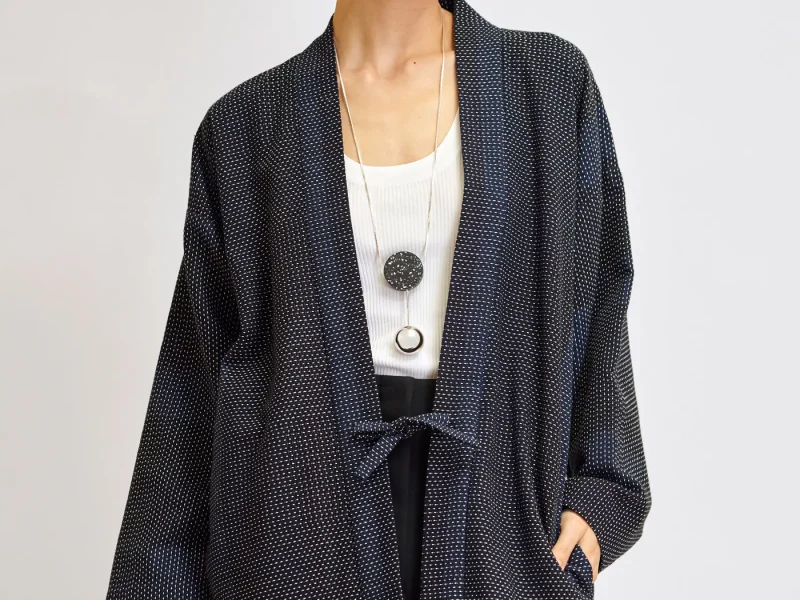
A tie at the waist does something quiet but powerful. It gathers loose fabric toward the center, which stops a blouse from hanging like a plain rectangle. That small shift creates a visual break between the upper body and lower body, so jeans, trousers, or skirts look more balanced.
The trick is that the blouse still keeps its softness. A fitted shirt can pinch at the bust or pull across the stomach when you sit. A tied blouse has more give because the shape comes from the wrap, knot, or sash instead of tight construction.
This is why tied blouse styling works so well for women who do not want to choose between comfort and polish. You can wear a fluid satin blouse with straight jeans in Dallas, wide-leg trousers in Chicago, or a midi skirt in Boston, and the waist tie does the same job each time.
Why Soft Structure Looks More Current Than Hard Lines
Traditional tailoring can look sharp, but it can also feel too formal for many American settings now. Hybrid work, casual offices, and relaxed social plans have changed what “put together” means. A blouse with a waist tie fits that new middle ground.
Soft waist definition gives the eye a place to land without making the outfit feel rigid. It says the look was planned, but not overworked. That is a difficult balance, and many structured tops miss it because they look great standing up but less natural during real life.
A counterintuitive detail makes the style stronger: a slightly relaxed blouse often looks cleaner than one that is tightly fitted. The loose fabric around the tie adds contrast, and that contrast makes the waist look more defined.
Tie Waist Blouses for Workdays, Lunch Plans, and Everyday Movement
The strongest everyday pieces are the ones that do not collapse after one use case. A tie waist blouse can look polished at work, easy at brunch, and relaxed on a grocery run if the fabric, knot, and bottom piece are chosen well. That kind of range is why Tie Waist Blouses belong in modern wardrobes.
What Makes Them Work for Office Dressing
Office dressing in the USA is not one single uniform anymore. Some workplaces still expect trousers and loafers. Others are fine with dark denim and clean flats. A tie waist blouse sits between those worlds because it gives the outfit a clear center without needing a blazer.
For a business-casual office, pair one with ankle trousers and low block heels. The tie adds enough shape that you can skip a tucked shirt, which is helpful if you dislike bunching at the waistband. It also keeps the outfit softer than a button-down shirt.
Tailored outfits do not have to be severe. A cream wrap blouse with navy trousers can look calm and capable without shouting for attention. That matters in workplaces where style should support your presence, not compete with it.
How They Fit Casual American Routines
A blouse with a tie waist can still feel relaxed when the rest of the outfit stays grounded. Light-wash jeans, leather sandals, canvas sneakers, or a simple shoulder bag keep the blouse from feeling too dressy. The tie detail does the shaping, so the rest can stay easy.
This is where feminine blouse outfits often work best. They do not need frills, loud prints, or delicate styling from head to toe. A soft blouse with denim and simple jewelry can feel feminine in a practical way, not precious or overdone.
The unexpected win is travel. A tie waist blouse can handle a long car ride, a casual dinner, or a hotel breakfast better than many structured tops. If the fabric wrinkles slightly, the gathered waist makes it look intentional instead of sloppy.
Choosing the Right Cut, Fabric, and Tie Placement
A tie waist blouse only works when the details respect your body and your day. The wrong tie can sit too high, add bulk, or pull attention where you do not want it. The right one creates ease, proportion, and control without making you fuss with it every hour.
Why Tie Placement Matters More Than Print
The placement of the tie affects the entire outfit. A tie that sits at the natural waist usually gives the cleanest shape. A lower tie can look relaxed, but it may shorten the legs if paired with wide pants. A higher tie can work, though it needs the right proportions.
Petite women often look best when the tie sits slightly above the natural waist. That small lift makes the legs appear longer. Taller women can often handle longer sashes, wrap shapes, and softer draping because the extra fabric has room to fall.
Print comes second. A beautiful floral or stripe will not save a blouse if the tie lands awkwardly. Start with placement, then choose pattern. That order prevents most styling mistakes before they happen.
Which Fabrics Give the Best Shape
Fabric decides whether the tie looks neat or messy. Cotton poplin creates a crisp knot, but it can add bulk if the sash is thick. Satin and crepe drape smoothly, which helps the blouse skim instead of stack. Linen feels relaxed, though it needs a looser knot because wrinkles are part of its charm.
For tied blouse styling in warmer U.S. cities like Phoenix, Miami, or Austin, breathable fabrics matter. A lightweight cotton blend or linen mix can keep the look polished without trapping heat. In colder places, a soft crepe blouse layers well under coats without creating a bulky waist.
A good test is simple. Tie the blouse, sit down, and raise your arms. If the waist rides up, twists, or pulls across the chest, the cut is wrong for your body. The mirror matters, but movement tells the truth.
Styling Tie Waist Blouses With Bottoms, Layers, and Accessories
The blouse may create the shape, but the full outfit decides whether it feels balanced. Bottoms, layers, shoes, and accessories either support the waist detail or fight it. The goal is not to make every outfit dramatic. The goal is to let the tie do its job without clutter.
Best Bottoms for Balanced Proportion
Straight-leg jeans are one of the easiest matches because they keep the lower half clean. The blouse adds softness up top, while the jeans give the outfit weight. This works especially well with pointed flats, loafers, or low heels.
Wide-leg trousers can also look excellent, but the blouse should not be too long below the tie. Too much extra fabric can blur the waist and make the outfit feel heavy. A shorter wrap blouse or a blouse that peplums gently below the tie usually works better.
Skirts need a little more care. A pencil skirt creates a polished line, while an A-line skirt gives a softer shape. Feminine blouse outfits with midi skirts can look beautiful, but the shoe choice should add some structure so the outfit does not become too sweet.
How to Layer Without Hiding the Waist
Layering can ruin the point of a tie waist if the outer piece covers everything. Cropped jackets, open cardigans, and shorter denim jackets keep the waist visible. Long coats can work too, as long as they stay open enough to show the center line.
Tailored outfits get more interesting when the blouse softens the jacket. A tie waist under a blazer can break the stiffness of a suit and make it feel more personal. The trick is choosing a thinner sash so the blazer does not bulge when buttoned.
Accessories should stay clean. A small pendant, hoop earrings, or a structured bag is enough. The tie already acts like a design feature, so oversized necklaces or heavy belts can make the outfit look crowded. Let one detail lead.
Conclusion
The best clothes do not fight your body into a shape. They work with it, guide the eye, and leave enough room for real life. That is why the tie waist blouse has earned its place beyond trend talk. It solves a common dressing problem with a simple idea: define the waist without locking the body into stiff tailoring.
For American women building practical wardrobes, this detail makes sense. It works with jeans, trousers, skirts, flats, heels, jackets, and coats. It can look professional without feeling cold. It can look feminine without feeling fragile. It can also make older wardrobe pieces feel fresh again with no major styling effort.
Tie waist blouses are not about chasing a perfect figure. They are about creating control where loose fabric might otherwise fall flat. Start with one blouse in a fabric you can wear often, style it with the bottoms you already own, and notice how much easier getting dressed becomes.
Frequently Asked Questions
Are tie waist blouses flattering for most body types?
Yes, because the tie can be adjusted to suit your shape. The most flattering option usually sits at or slightly above the natural waist. Softer fabrics work well because they shape the blouse without creating hard lines or extra bulk.
How should I style a tie waist blouse for work?
Pair it with ankle trousers, loafers, low heels, or a pencil skirt. Keep jewelry simple and choose a blouse in crepe, satin, cotton blend, or soft poplin. The outfit should look polished without feeling stiff or overly formal.
Can tie waist blouses be worn with jeans?
Yes, they work well with straight-leg, slim, cropped, or dark-wash jeans. The blouse adds shape while denim keeps the outfit relaxed. For a cleaner look, choose simple shoes and avoid adding a belt that competes with the tie.
What fabric is best for a tie waist blouse?
Crepe, satin, lightweight cotton, linen blends, and soft poplin are strong choices. Crepe and satin drape smoothly, while cotton gives a cleaner knot. Linen feels casual and works best when you accept its natural wrinkles.
Do tie waist blouses hide belly areas?
They can soften the midsection when the tie sits correctly and the fabric drapes well. Avoid thick sashes or tight knots across the stomach. A slightly relaxed blouse often looks smoother than one that is pulled tight.
Can petite women wear tie waist blouses?
Yes, petite women often look great in them when the tie sits slightly high. That placement helps lengthen the leg line. Shorter blouse lengths, smaller prints, and slimmer ties usually work better than long sashes or oversized cuts.
What bottoms look best with tie waist blouses?
Straight jeans, ankle trousers, wide-leg pants, pencil skirts, and simple midi skirts all work. The key is balance. If the blouse is soft and loose, choose bottoms with a cleaner line so the outfit does not look shapeless.
Are tie waist blouses still stylish for everyday outfits?
Yes, because they match how many women dress now: polished, comfortable, and flexible. They offer shape without formal tailoring, which makes them useful for work, errands, lunch plans, travel, and casual evenings.